npx xovris initXovris – connect your appWhat Xovris foundApp: Next.js - A real install with npm from the public registry passed on 2026-11-15, but not yet on the newest next release (16.3.8).Supported: next 16.0.0 is in the supported range (from 15.3, below 17).Supported: Node.js 22.22.0 on this machine is in the supported range (20.19 or newer).Found: npm (from package-lock.json)Xovris will: Install Xovris into this Next.js app with npm, write its settings and send a test event. Next.js is supported here and every version check passed.Also possible: Watch the app from the outside by its web address. Works for any app on any stack, with nothing installed.Found Next.js, using npm.Waiting for you to approve in the browserSign inYour browser opened to approve this sign-in.Check the browser shows the same code: VJHR-KTCSYour data is never used to train our AI.Signed in to acmeCreating an ingestion key for this appCreated an ingestion-only key5 changes in ~/acme-webinstall @xovris/next with npm – The Xovris layer over OpenTelemetry for this stack.create instrumentation.ts – Starts Xovris on the server and reports request errors (Next.js instrumentation hook). + // Added by npx xovris init - remove with npx xovris remove + export async function register() { + if (process.env.NEXT_RUNTIME === 'nodejs') await import('@xovris/next/register'); + } + + export { onRequestError } from '@xovris/next'; + create instrumentation-client.ts – Reports browser errors and unhandled rejections (Next.js 15.3+ client instrumentation). + // Added by npx xovris init - remove with npx xovris remove + import '@xovris/next/client';
XovrisOn its own
30 lines run, 9 changes shown before any was written
Recorded from npx xovris init on the Next.js test project in the install suite, 15 November 2026, exit code 0
One command connects your app. Xovris groups each error into one issue, ties it to the release that shipped it and keeps the stack trace readable.
Found the cause: greenhouse-controller's firmware channel changed from stable to nightly at 01:48 UTC, 12 minutes before greenhouse-controller first failed
Put greenhouse-controller back to stable, its last good setting
greenhouse-controller is back on its last good setting
greenhouse-controller · firmware channel
stable
Asked
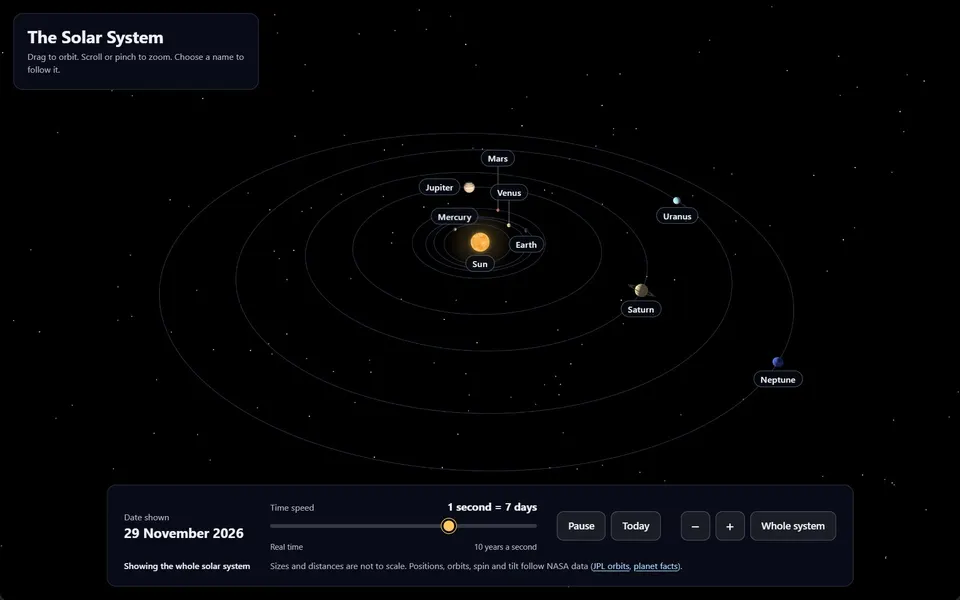
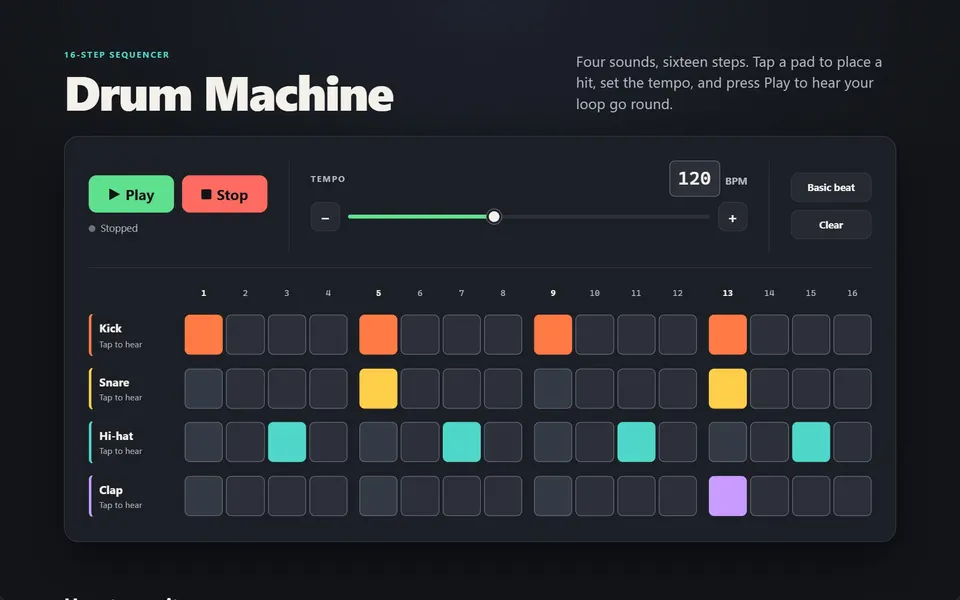
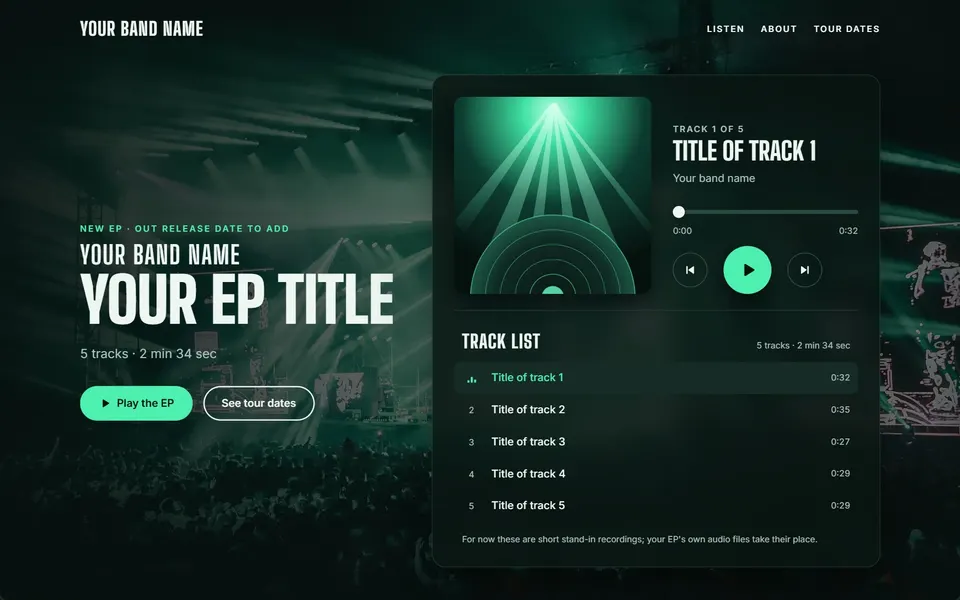
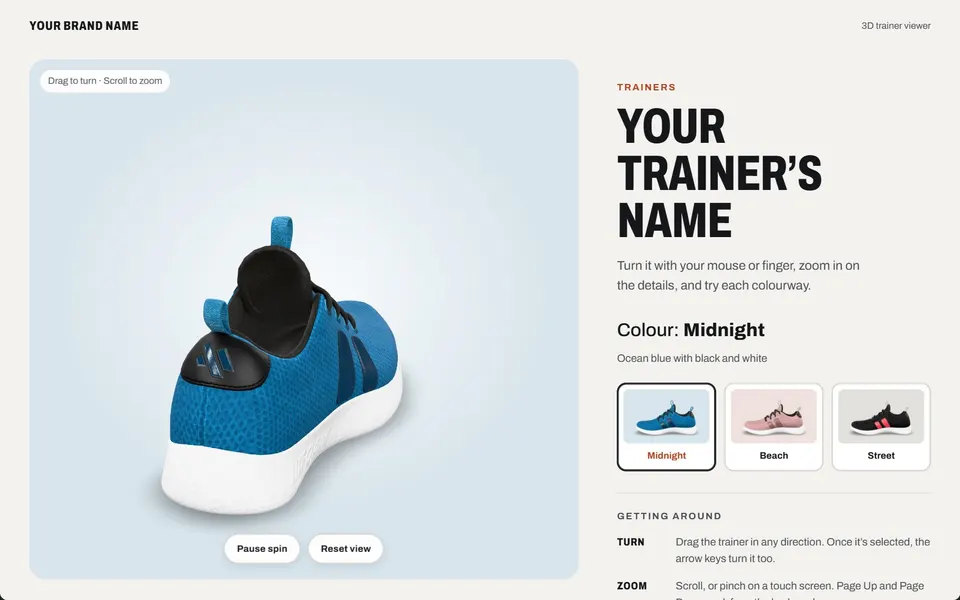
“A music player page for a band's new EP with track list, play and pause, a progress bar and tour dates”
3Traced to lib/total.js line 5sum += item.price * qty.valueOf();
4Proved on a copy: 500 before, 200 afterBoth sides run – never a guess from blame
5Pull request #1 openedXovris: fix TypeError at lib/total.js line 5
6Your step: mergeNothing is merged until you merge it. CI runs again on the branch.
02
What it watches,may change, and what stays yours.
Xovris raises the pull request for you once GitHub is connected – every change listed, for you to review and merge. Rather do it yourself? One command in your project does the same, from your editor or your terminal.
What Xovris watches
Server and browser errors, grouped into issues
The release that shipped each error
Readable stack traces
Traces through OpenTelemetry
A release that makes your app crash, caught from its crash rate and its store reviews
What Xovris puts right
The setup change, as one pull request you review – never your default branch
What waits for your permission
Your source code read by Xovris without your consent
Each of these runs in your own browser in seconds. Here is what each says for xovris.ai, checked 18 November 2026, 23:05:28 UTC – open one to run it on yours.
Lit: live and workingOpen: Xovris is still working on it
Every change is made safely, under your policy
Before any change Xovris shows exactly what it would send, the one reading that would move and the way back, rehearsed on a copy first; the real change follows once the rehearsal passes, under your policy.
Your repository’s own scripts run sealed off, and Xovris finishes the work around a change – from a chat message to the follow-ups after the merge
Every linter config, build file, setup script and test command from your repository runs in its own sealed copy that holds no secret of yours or Xovris’s, reaches no network and starts nothing else, so a config that tries to read keys or phone home finds nothing.
See what code review found and what your team did with it, week by week
Every review Xovris makes of a pull request is kept with its findings, and each finding settles by what really happened: fixed by Xovris with a proven fix, taken up by your team on a later commit, dismissed, or never merged.
Every change Xovris makes does what you asked and can be undone in one press
Before Xovris changes anything in one of your systems it reads the record first, rehearses the change on a copy of your system, and changes only the fields you named – a request that matches no record, or more than one, is stopped and explained rather than guessed.
Repository fixes, your badge and your free check go onto your pages as one pull request – Xovris writes them
When a fix is a change to your repository – the CA bundle in a minimal image, a liveness probe that waits on a database, container limits, a connection pool that drops idle connections, the JVM heap, ASP.NET Core's stdout log, rotating container logs or the dashboard panel on your page - pressing the step now does it.
Review code on a Git server inside your own network, with nothing opened to the internet
You can now run the Xovris connector inside your network and Xovris reviews and fixes code on GitHub Enterprise Server, self-managed GitLab or Bitbucket Data Center without a single inbound port: the connector only ever calls out, keeps your Git server’s token inside your network, and refuses anything but that server’s review requests.
The wizard finds Next.js, signs you in through your browser, writes the configuration and waits until the first event is stored.
Tested 15 November 2026
Questions
Does Xovris need access to my accounts to watch?
No. Watching needs nothing beyond what anyone on the internet can see. When you want Xovris to fix things, you grant access scope by scope, for as many zones and projects as you choose.
What does the free plan include?
Watching and alerts, free for good. Personal adds fixing: Xovris puts problems right, and an issue counts only once it works again.
Can I undo a fix?
Yes. Every fix has its undo written down before it runs, and a fix that fails its after-test is undone automatically.
Is my data used to train AI?
No. Your data is never used to train our AI. Your systems, files, logs and settings stay yours: they are never used to train any AI, ours or anyone else’s, and nothing of yours ever reaches another customer.
Words on this page, in plain English
Each technical word this page uses, said simply.
Program-to-program connection (API, APIs)
A way for one program to ask another for information or to do something, without a person clicking through a website.
Plain-text data (JSON)
A common way of writing data as named values, readable by people and programs alike.
Data an app reports about itself (telemetry)
The errors, timings and records an app sends out so problems can be spotted and explained.
The open standard for app data (OpenTelemetry)
A free, widely used standard for collecting an app’s errors, timings and records and sending them to any monitoring service.